
Haldi Ceremony
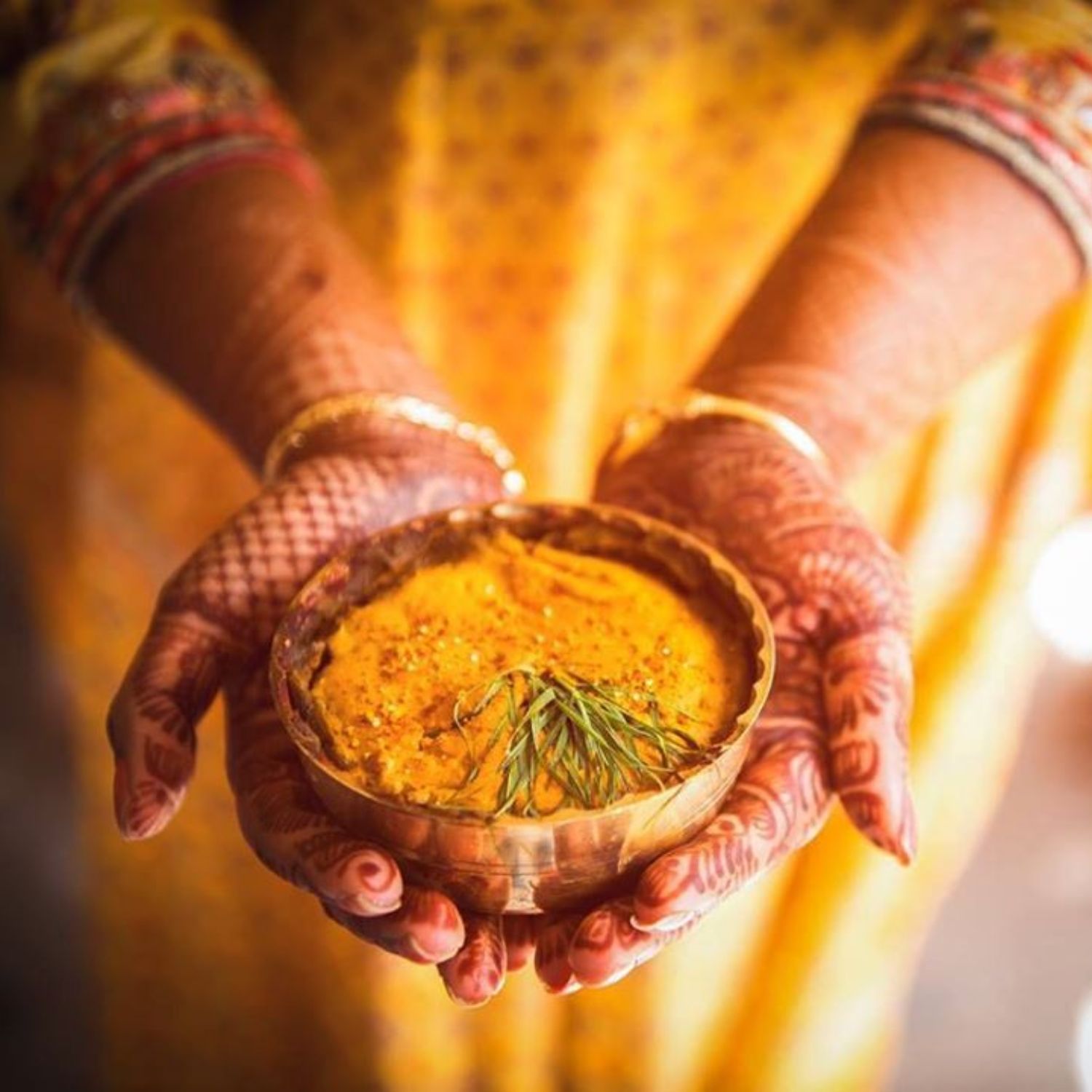
The Haldi ceremony, deeply ingrained in the tapestry of Indian weddings, unfolds as a vivid spectacle of tradition and symbolism, weaving together spiritual cleansing, communal bonding, and the celebration of love. This pre-wedding ritual, marked by the application of a turmeric paste, is a captivating mosaic of customs that transcends mere cosmetic significance.
At its core, the Haldi ceremony symbolizes purification and the preparation of the couple for their sacred union. Turmeric, revered for its medicinal properties in Indian Ayurveda, is believed to ward off evil spirits and promote physical well-being. As the golden paste is applied to the bride and groom, the gesture becomes a metaphorical cleansing of impurities, paving the way for a prosperous and harmonious marital journey.
The Haldi ceremony, already a sensory delight of tradition and celebration, attains an additional layer of vibrancy with the inclusion of “Phoolon Ki Holi.” This delightful custom, translating to “Holi with Flowers,” infuses the ritual with a kaleidoscope of colors and fragrances, creating an enchanting and unforgettable experience for the couple.
Latest Haldi
Track List
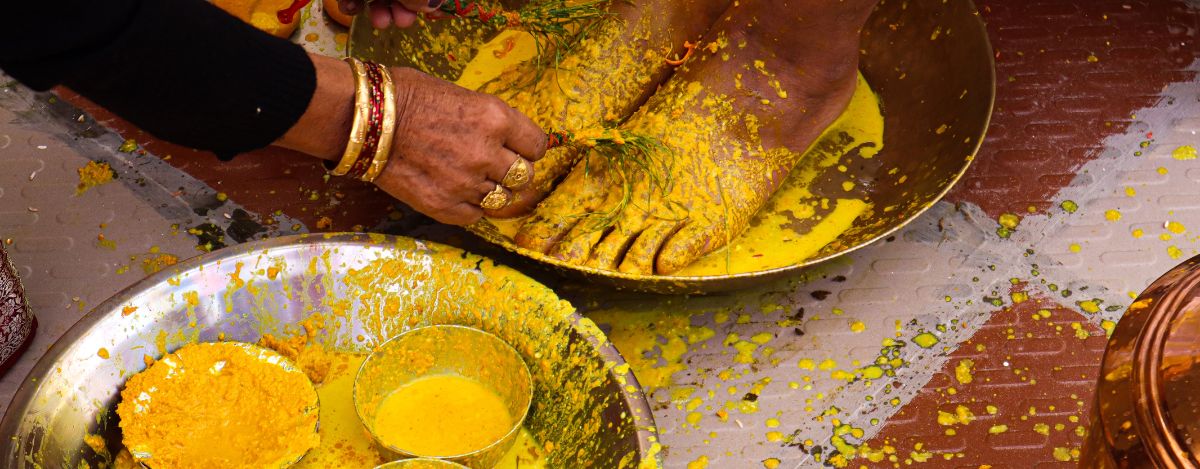
The vibrant aesthetics of the ceremony contribute to its allure. The deep yellow hue of the turmeric paste transforms the atmosphere, infusing it with radiance and energy. Adorned in traditional attire, the bride and groom become living canvases for this ancient ritual, each stroke of Haldi carrying the weight of centuries-old beliefs and cultural customs.
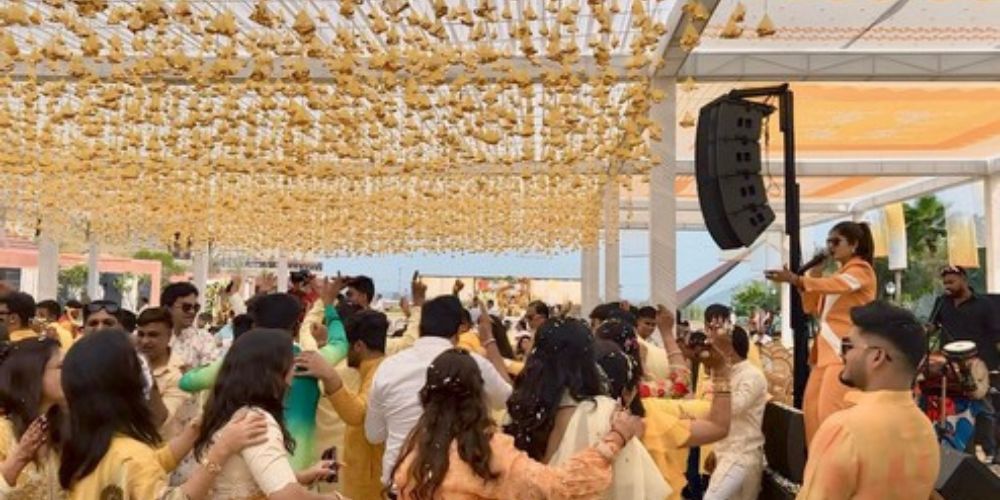
Yet, beyond its spiritual and cosmetic dimensions, the Haldi ceremony is a vibrant communal affair. Family and friends converge to partake in the festivities, turning the event into a joyous carnival of song, dance, and laughter. Traditional folk songs, laden with auspicious verses, echo through the air, while regional dances showcase the diverse cultural panorama of the country.
The act of applying Haldi is not a mere ritual but a shared experience, fostering a sense of togetherness among the attendees. Playful teasing and laughter fill the air as family members and friends take turns anointing the bride and groom, creating an environment of joy and camaraderie that sets the tone for the impending nuptials.
As the turmeric paste is playfully applied during the Haldi ceremony, the air becomes charged with the sweet aroma of flowers. Family and friends join in the festivities by showering the couple with an array of vivid and fragrant flower petals. This visually stunning addition to the ceremony not only enhances the aesthetic appeal but also carries symbolic significance.
The act of celebrating with flower petals symbolizes the blossoming of love, beauty, and the joyous union of the couple. Each petal becomes a delicate expression of good wishes and blessings, creating a gentle and fragrant embrace around the bride and groom. This beautiful fusion of turmeric and flowers transforms the ceremony into a harmonious blend of tradition and nature’s exquisite beauty.
Accompanied by lively music and perhaps the rhythmic beats of traditional instruments, “Phoolon Ki Holi” adds a playful and romantic dimension to the Haldi ceremony. The laughter and camaraderie shared among family and friends intensify as the flower petals cascade down, creating a picturesque moment that resonates with the essence of celebration and unity.
In essence, the incorporation of “Phoolon Ki Holi” amplifies the Haldi ceremony, making it a sensorial extravaganza that engages sight, smell, and touch. This floral celebration not only enhances the cultural richness of the ritual but also creates lasting memories, encapsulating the beauty of the moment and the beginning of a new, blossoming chapter in the couple’s life.
In essence, the Haldi ceremony stands as a testament to the multifaceted nature of Indian weddings, where tradition, spirituality, and festivity converge. It is a sensory symphony that resonates with cultural echoes, creating indelible memories and forging bonds that extend far beyond the ceremonial boundaries.