The Mayra Bhaat Ceremony
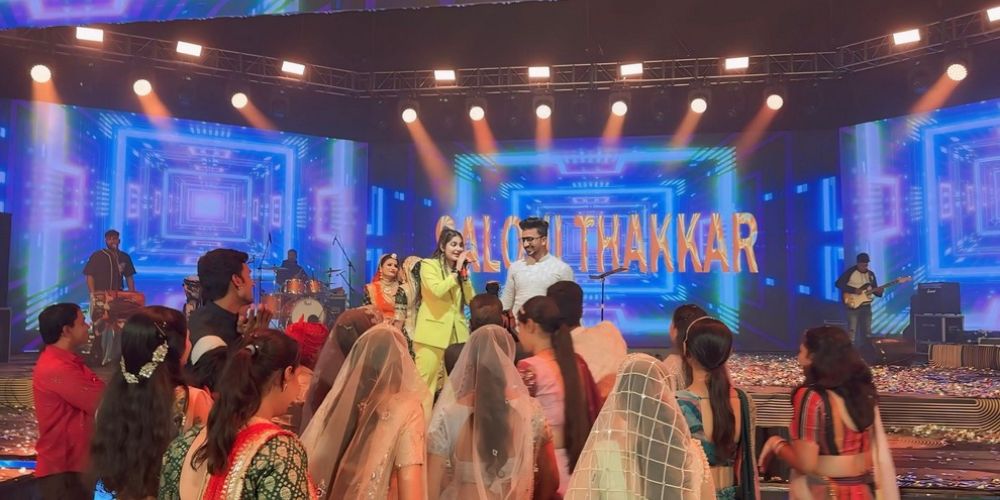
The Mayra Bhaat ceremony is not only a visual spectacle but also a musical journey that resonates with the cultural heritage of Rajasthan. Traditional Rajasthani folk music takes center stage, creating an atmosphere of exuberance and merriment.
Maayra Bhaat Music: A Melodious Tapestry
Ghoomar Dance:
Ghoomar, a traditional Rajasthani dance form, is a quintessential part of the Maayra Bhaat ceremony. The bride, surrounded by her family and friends, engages in the graceful twirls and spins of Ghoomar, symbolizing the joy of the impending union. The rhythmic footwork and colorful swirls of the dance contribute to the visual splendor of the ceremony.
Traditional Songs:
Dance is a central element of the Sangeet ceremony. Family members, friends, and sometimes even the bride and groom themselves, showcase their dancing talents. Choreographed performances, often set to popular Bollywood or regional songs, add a dynamic and colorful element to the celebration.
Latest Mayra Bhaat
Track List
Rituals Performed During Mayra Bhaat
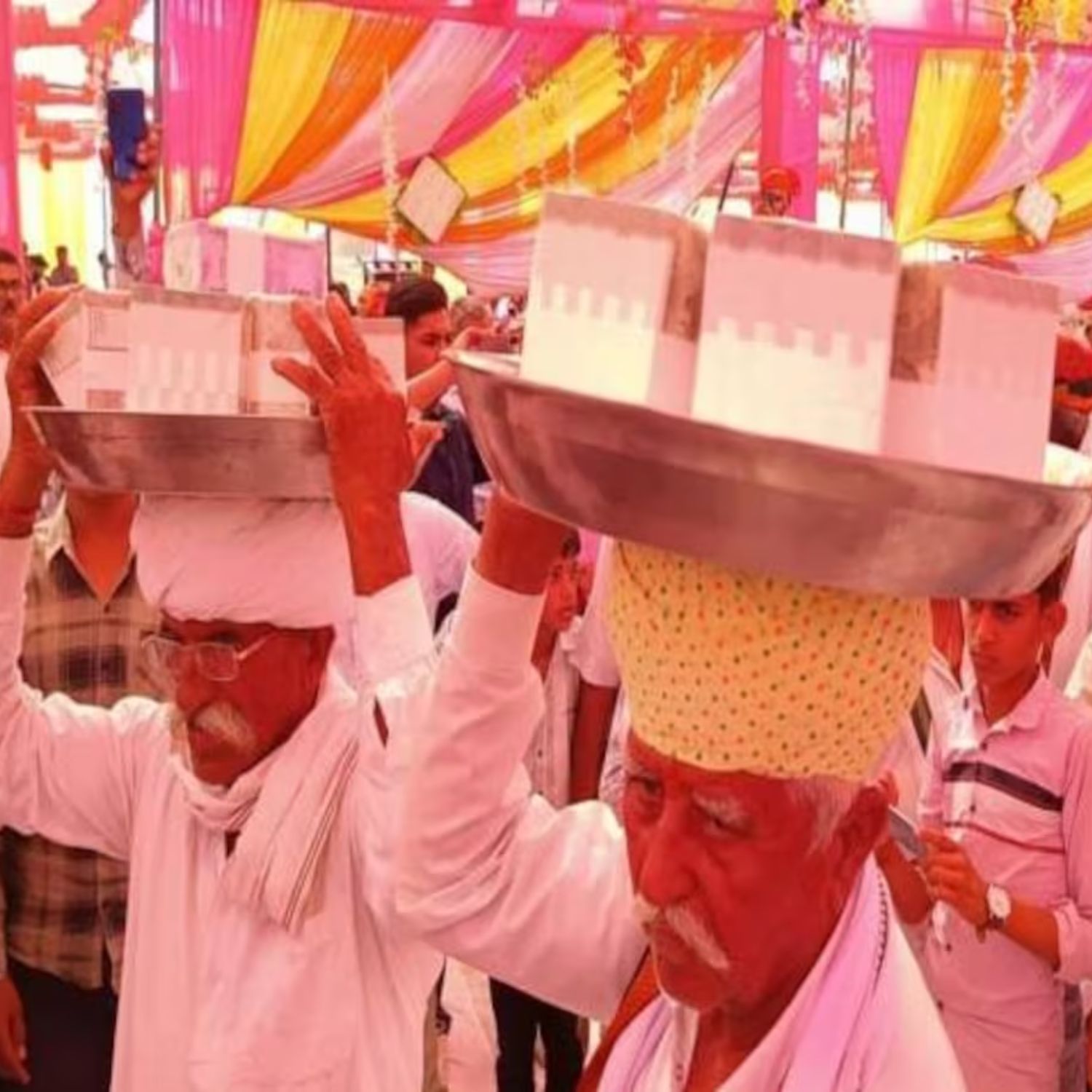
A ritual that involves gifting to the bride’s family for a better future with her husband by her maternal uncle is known as mayra. This ritual is celebrated with a lot of fun and excitement. Songs are sung, dance performances are held. On behalf of bride’s mama, some gifts are offered to her and family.
In short, mayra expresses love, care and protection towards her sister by providing certain liability to his niece/nephew during his or her wedding.
Let us understand the story behind Mayra Ceremony Rajasthan is known to be a cultural heritage. All the wedding rituals are performed in a traditional style, respecting values and customs created by their forefathers.
In dwapara yuga, king Narsingh donated all his wealth to the poor people in the name of Lord Krishna.
He devoted himself in the feet of the God with his mind, body and soul. He had a daughter for whom he has to complete the mayra patrika. After trying for several solutions he felt helpless and finally praised to the lord Krishna to help him in that situation.
The " Nani Bai Ka Mayra Story "
Since king Narsingh devoted himself completely to the lord almighty he was not able to fill the mayra of her daughter. He prayed to the almighty to shower his blessings in response to the mayra patrika.
In the mayra patrika by nani bai’s in laws: they asked to give fewer gifts from her family including quarter past betel, quarter past rowley, 80 thousand gold pieces, 1 crore rupees, 2 gold bricks. Lord Krishna as a brother gave 56 crores mayra to nani bai that was four times more than her in laws expected.
The Mayra Bhaat ceremony is a culturally rich and joyous pre-wedding ritual in Marwadi weddings, particularly prevalent in Rajasthan, India. This ceremonial event holds immense significance as it marks the departure of the bride from her parental home to start a new chapter in her marital life. Let’s delve into the details of the Mayra Bhaat ceremony, exploring its customs, rituals, and the captivating music that accompanies this traditional affair.
Following the turmeric paste application, the bride receives gifts and blessings from her family members. The ceremony is characterized by emotional moments as the bride prepares to leave her parental home. The act symbolizes the bride’s journey from one family to another, and the sentiment is both poignant and celebratory.
Mayra Bhaat Ceremony : A Cultural Tapestry
Rituals and Customs:
The Mayra Bhaat ceremony usually takes place a day or two before the wedding. It begins with the application of a paste made from turmeric, sandalwood, and other auspicious ingredients on the bride's body. This ritual is believed to purify and beautify the bride, preparing her for the upcoming nuptials. The application is performed by married women, often close relatives or friends, who bless the bride with good wishes for her married life.
Mayra Ritual:
The highlight of the Maayra Bhaat ceremony is the Maayra ritual itself. Maayra refers to the gifts and jewelry given to the bride by her maternal family. These gifts, often intricately designed and culturally significant, serve as blessings and a means of ensuring the bride's prosperity in her new life. The exchange of Maayra strengthens the bond between the bride and her maternal relatives, emphasizing the continuity of love and support.
Traditional Attire:
The bride typically adorns herself in traditional Rajasthani attire, which may include a vibrant lehenga, odhni (headscarf), and elaborate jewelry. The colors chosen for the attire are often bright and symbolic, reflecting the festive spirit of the occasion.